Serving as a vibrant open-air public square where locals gather for street food, community events, and evening relaxation, alun alun batam captures the authentic social rhythm of Indonesia’s island city far better than any air-conditioned shopping complex. Instead of polished marble floors and luxury retail brands, visitors find bustling night markets, traditional games, and families enjoying the cool night breeze together. It acts as the true cultural living room for residents across different neighborhoods.



My Grab driver shook his head when I told him to skip the shiny new mall downtown and drop me off at the local plaza instead. “Nothing there for foreigners,” he muttered, assuming I wanted duty-free perfume rather than a plate of sizzling fried rice on a plastic stool. Five minutes later, I was standing at the edge of a massive, glowing public square where the scent of grilled lemongrass chicken completely overwhelmed the city exhaust. That evening completely changed how I understood this industrial island.
Alun Alun Batam: What It Is and Why It Matters
An alun alun traditionally represents the civic heart of an Indonesian town, functioning as a historic town square designed for community gatherings and open-air festivities. In this specific coastal context, the space brings together diverse migrant communities who now call the island home. You won’t find curated tourist traps here. You will find multi-generational families, teenagers playing badminton under floodlights, and independent vendors setting up portable kitchens on wheels.
Additional Information
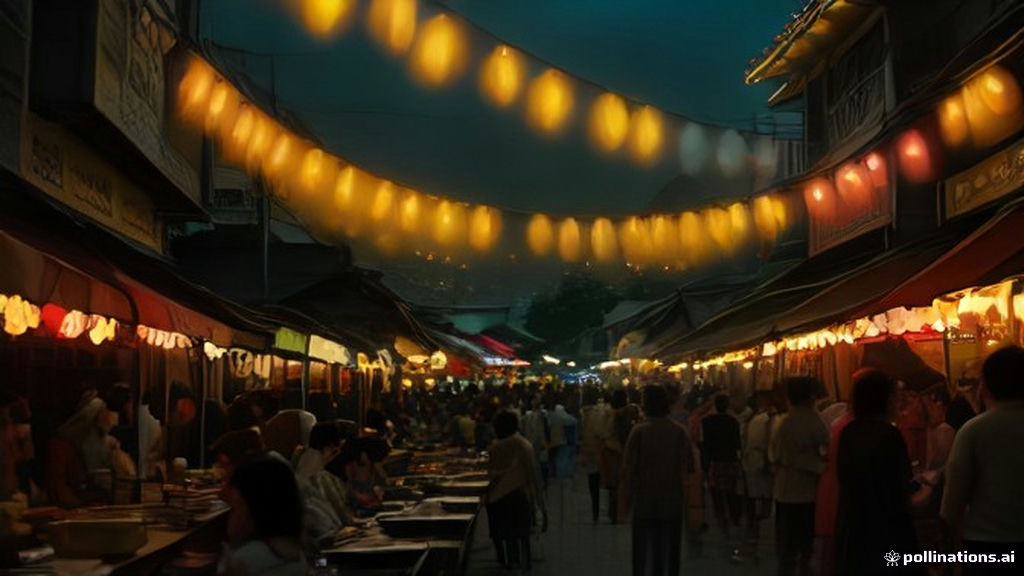
This matters because most visitors completely miss the human element of the city, treating it merely as a transit point or a weekend shopping destination. When you spend an evening walking through the plaza, you witness the actual economy and culture of the residents in real time. It grounds your travels in lived reality rather than sterile resort bubbles.
Picture a warm Thursday evening just after the evening call to prayer fades out. The open plaza slowly fills with vendors wheeling wooden carts fitted with bright halogen bulbs. Children chase each other around glowing remote-controlled toy cars rented by local entrepreneurs, while their parents sit on woven mats sharing stories over cups of sweet iced tea. That scene repeats nightly, offering a window into everyday local life that no brochure can capture.
The Pulse of the City: Why Locals Choose Alun Alun Over Malls
Modern air-conditioned malls offer comfort, but they rarely foster genuine community connection or cultural immersion. Locals flock to the square because the atmosphere feels alive, unscripted, and deeply affordable. Financial flexibility matters, but so does the desire for open space where children can run freely without security guards blowing whistles.
For small business owners and independent street vendors, these public spaces represent a vital economic lifeline that doesn’t demand exorbitant commercial rent. When you buy a skewer of grilled meat or a cup of local coffee here, your money goes directly to a family rather than a corporate conglomerate. That direct community exchange creates a distinct social loyalty that brick-and-mortar retail simply cannot replicate.
Take Pak Joko, a satay vendor I regularly chat with when I visit. He has operated his simple cart in the area for nearly a decade, watching neighborhood kids grow up and bring their own children to his stall. He doesn’t need a fancy marketing strategy or a listing on digital tools like CustomGPT to fill his tables; his reputation relies entirely on the smoky perfection of his peanut sauce and decades of friendly conversation. That human connection is precisely why the local business network championed by the Batam Business Community often highlights grassroots commerce as the true backbone of the regional economy.
Also Read: Kartu Debit Digital Digibank by DBS: Aktivasi Mudah, dan Aman!
To blend in effectively, you have to leave your “tourist expectations” at the hotel lobby. Instead of hunting for air-conditioned silence, lean into the chaotic, humid energy that defines the evening scene at alun alun batam. When you arrive, notice how the locals don’t sit in rigid, pre-arranged groups; they move fluidly between stalls, often standing while they eat or pulling plastic stools closer to the grass.
Mimicking this behavior is the quickest way to gain respect from the vendors. Don’t look for a menu or a dedicated server. Simply walk up, smile, and point to what looks good on the grill. If you want to try the classic bbq batam style, just watch where the thickest, most fragrant smoke is rising. That’s usually where the freshest catches are landing.
- Wear breathable cotton or linen; the humidity is real and part of the charm.
- Carry small denominations of local currency, as many vendors don’t carry large change.
- If you aren’t sure how to order, just say “Satu” (one) and point. It works every time.
- Don’t be afraid to share a communal bench; space is a luxury, and sitting next to strangers is standard practice.
Understanding the social ecosystem here requires recognizing that this isn’t just a place to eat. It is a theater of daily life where the Batam Business Community observes how micro-enterprises thrive through word-of-mouth rather than digital advertising. If you ever need advice on navigating these local gems or want to understand the economic dynamics, checking out [batambisnis.com](https://www.batambisnis.com) or reaching out via [WhatsApp](https://wa.me/628136341405) can provide a much clearer picture of how these independent traders keep the city’s heart beating.
The Difference Between Tourist Spots and Local Gathering Spaces: Which Experience Do You Want?
Tourist traps are designed to be frictionless, predictable, and ultimately isolating. You pay a premium for comfort, and in exchange, you get an experience that is sanitized to feel like home. A place like alun alun batam, however, is designed for the people who actually live here. It’s gritty, loud, and occasionally unpredictable.
The primary difference lies in the level of agency you have. At a resort, you are a spectator of a staged event. In the square, you are a participant. You will smell the charcoal smoke of bbq batam drifting over from five different directions. You’ll hear children shouting, scooters humming in the distance, and the rapid-fire banter of vendors. It’s authentic because it wasn’t curated for your arrival; it exists regardless of whether you show up or not.
In my experience, tourists often struggle with this lack of “service.” They expect a waiter to bring them a menu, but here, you go to the source. You don’t have to wait for a table to open up; you make your own space. If you prefer the comfort of a quiet, climate-controlled booth where you can scroll through your phone undisturbed, stick to the malls. But if you want to understand the rhythms of Indonesian life—how people socialize after the heat of the day subsides—the public square is where you actually see it happening.
Choosing the local route requires a bit of courage. You have to be okay with not knowing exactly what’s in every sauce or what the exact price might be for a specialty item. That uncertainty is exactly what makes the experience memorable. When you sit on a plastic stool, eating grilled fish while a local teenager practices his English with you, you’ve hit the sweet spot of travel. You aren’t just visiting a destination; you’re experiencing a community.
Practitioners in the travel industry often note that the most transformative moments happen when we lose our sense of being “in control.” By choosing the bustling public square over the sterile mall, you allow the city to show you its true face. It’s a messy, warm, and loud face, but it’s the only one that stays with you long after your flight home.
To make the most of your visit, timing is everything. Most travelers arrive at alun alun batam around 7:00 PM, just as the evening breeze pushes away the daytime humidity. If you show up earlier, you’ll mostly see empty chairs and vendors still firing up their charcoal grills.
If you want to maximize your odds of seeing a spontaneous cultural display, aim for the weekend. I’ve seen everything from local martial arts exhibitions to impromptu dance circles form near the center of the square. It isn’t scheduled, and that’s the beauty of it. Keep your camera tucked away for the first twenty minutes. When you observe before you record, you become a participant rather than a spectator. It changes how people interact with you. A simple nod or a polite “permisi” (excuse me) when you sit down often leads to a genuine conversation about where the best kopi is hidden in the nearby streets.
If you find yourself needing more structured local insights or professional guidance on the region’s growth, reach out to the Batam Business Community via WhatsApp. You can also explore their resources at Batam Business Community for detailed information on the local economic landscape.
Frequently Asked Questions about Alun Alun Batam
What is the Alun Alun Batam?
An alun-alun is a traditional Indonesian town square that serves as a central public gathering space for the community. In Batam, it functions as an open-air hub where residents go for casual dining, recreation, and social interaction after the workday ends.
How do you get to the local public squares in Batam?
Most visitors utilize ride-hailing apps like Grab or Gojek, which are highly efficient and reliable across the city. Simply input the specific location name or the nearby landmark to be dropped off at the most accessible entry point. Drivers are familiar with these hubs and will navigate you directly to the busiest sections.
Is visiting a public square better than going to a mall?
It depends on your goal for the trip. Malls offer climate-controlled comfort and familiar retail brands, while public squares provide an unfiltered view of daily Indonesian social life. If you want to engage with the culture and try authentic street food, the square is the superior choice.
What should a tourist wear when visiting local spots in Batam?
Casual and modest clothing is highly recommended for these public spaces. Since these areas are open-air and often involve sitting on benches or low stools, breathable fabrics like cotton or linen are best. There is no strict dress code, but keeping your shoulders and knees covered is respectful and common practice among locals.
Are there safety concerns for foreigners at Alun Alun Batam?
These gathering spots are generally safe and family-friendly, populated by locals enjoying their evening with friends and children. As with any busy public area, keep your belongings secured and be mindful of your surroundings. Stick to well-lit areas where food vendors are active to ensure a comfortable experience.
When is the best time to visit for a lively atmosphere?
Friday and Saturday evenings are the peak times for community activity. Most locals begin to congregate between 7:00 PM and 9:00 PM when the temperatures drop and the food stalls are fully operational. Weekday evenings are much quieter, offering a more relaxed and reflective experience.
Common Mistakes to Avoid
Stepping into a vibrant local square for the first time brings plenty of excitement. Yet, foreign visitors often stumble into a few classic traps that can throw off an otherwise stellar evening at alun alun batam.
Here is how you can sidestep those common missteps and blend right in.
-
Mistake: Expecting card payments or contactless transactions everywhere.
Why it’s wrong: Many traditional food pushcarts and small family-run drink stalls operate strictly on cash. If you wave a credit card, you will likely get a polite shake of the head.
What to do instead: Always carry a handful of small Indonesian Rupiah banknotes (mostly 5,000, 10,000, and 20,000 denominations) before you arrive. It makes paying for skewers or iced tea lightning fast. -
Mistake: Rushing in too early in the afternoon.
Why it’s wrong: Showing up around 4:30 PM means you will mostly see empty plastic chairs and tarp-covered carts under the scorching sun. You miss the entire social heartbeat of the space.
What to do instead: Plan your arrival just after sunset. The air cools down, the fairy lights turn on, and the energetic atmosphere at alun alun batam genuinely comes alive. -
Mistake: Setting up camp at a single vendor all night.
Why it’s wrong: Sticking to just one stall robs you of the best culinary secret of the square. Locals graze. They sample satay here, a refreshing local fruit soup there, and finish with crispy snacks somewhere else.
What to do instead: Order small portions. Grab two sticks of grilled meat at one cart, walk around, chat with a vendor, and pick up your drink at a completely different spot. -
Mistake: Forgetting to negotiate personal space respectfully during peak hours.
Why it’s wrong: Weekend crowds get remarkably dense. Standing dead center in a narrow walking path while scrolling through your phone creates an accidental human traffic jam.
What to do instead: Step off to the side near the perimeter walls or find a seated area to check your maps. Local etiquette prizes spatial awareness, especially when everyone is balancing hot plates of food.
Advanced Tips From Practitioners
Experienced expats and local entrepreneurs know that navigating these community spaces requires more than just showing up hungry. If you want to connect deeper with the local culture—or even scope out grassroots micro-economy trends—you need a insider’s playbook.
Grab a table near the periphery where local community organizers and small business owners often hold casual evening catch-ups. These open-air squares double as informal networking hubs where partnerships form over bowls of warm noodles.
If you are looking to understand the region’s broader entrepreneurial landscape beyond just the evening food trade, connecting with folks on the ground changes everything. You can reach out directly to the Batam Business Community to get real insights into local commerce. Need a quick answer while on the go? Drop them a message at chat now to learn how grassroots ventures thrive side-by-side with bustling public spaces like alun alun batam.
Observe how vendors manage their daily inventory. The busiest carts rarely print menus; they rely on seasonal ingredients sourced that very morning from nearby wet markets.
Strike up a friendly conversation with your table neighbors. Point to what they are eating, flash a smile, and ask for their personal recommendation. You will almost always unlock a hidden menu item that isn’t listed anywhere in English.
References & Sources
Watch the Related Video
Do Not Miss! Watch the Video Above and Learn More.
Click Here for More Information

A Blogger, Writer, and Digital Marketing Specialist dedicated to helping local SMEs (Small and Medium Enterprises) grow and promote their businesses across Indonesia, Singapore, and Malaysia.
Author: Armein Hutagaol
A Blogger, Writer, and Digital Marketing Specialist dedicated to helping local SMEs (Small and Medium Enterprises) grow and promote their businesses across Indonesia, Singapore, and Malaysia.